
The intersection between cryptocurrency and politics is heating up after a political action committee (PAC) tied to the Solana ecosystem deployed millions of dollars in a crucial U.S. Senate race. The move signals a growing willingness by crypto-backed organizations to influence regulatory outcomes through political spending.
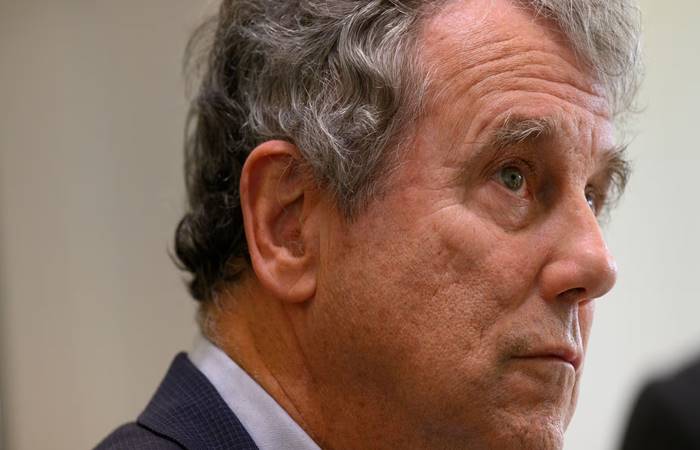
According to recent reports, the PAC—supported by the Solana Policy Institute—has targeted a major Ohio Senate contest involving Sherrod Brown, a long-time critic of certain financial innovations, including aspects of the cryptocurrency sector.
Strategic Spending to Shape Crypto Regulation
The political group, identified as the Sentinel Action Fund, has reportedly committed significant financial resources to support candidates opposing Brown. The objective is clear: shift the balance of power toward lawmakers perceived as more open to digital asset innovation.
Reports indicate that millions of dollars have already been allocated to influence voter perception and campaign momentum. Some estimates suggest total spending could exceed $8 million, backed by a mix of crypto-aligned organizations and major financial contributors.
This level of spending highlights a broader trend—crypto firms are no longer sitting on the sidelines when it comes to policy decisions that could impact the future of blockchain technology.
Why Sherrod Brown Is a Key Target
Sherrod Brown has been a prominent voice in U.S. financial oversight, previously serving as chairman of the Senate Banking Committee. Known for his cautious stance on emerging financial technologies, Brown has raised concerns about consumer protection, financial stability, and regulatory gaps in the crypto industry.
His potential return to the Senate has made him a focal point for crypto advocates aiming to reshape the regulatory environment in Washington.
Crypto Industry Steps Into the Political Arena
The involvement of Solana-affiliated entities marks a significant shift in how blockchain projects approach regulation. Rather than simply lobbying lawmakers, some players are now directly influencing elections.
This strategy reflects the growing stakes for the crypto sector. As governments worldwide tighten oversight, regulatory clarity—or restriction—could determine the trajectory of major blockchain ecosystems.
Industry analysts say the move could either:
Open the door to more crypto-friendly legislation
Trigger increased scrutiny and political backlash
Accelerate the politicization of digital assets
Market Reaction and Broader Implications
The news has sent ripples across the crypto industry, with investors closely watching how political developments might affect market sentiment. While Solana remains one of the leading blockchain networks, its association with political spending introduces new variables for both supporters and critics.
Some experts warn that deeper involvement in politics could expose crypto projects to reputational risks, especially if perceived as attempting to manipulate democratic processes.
At the same time, others argue that such actions are inevitable as the industry matures and seeks a seat at the policymaking table.
A Turning Point for Crypto and Politics
The growing influence of crypto-backed political funding could mark a turning point in how digital assets are governed. As the 2026 election cycle unfolds, the outcome of this Senate race may serve as a case study for how blockchain projects engage with traditional political systems.
Whether this strategy leads to favorable regulation or sparks stricter oversight, one thing is clear: the crypto industry is no longer just watching politics—it is actively participating in it.
RELATED: Binance Easter Campaign 2026 Airdrop: Earn Free XPL Tokens
Final Thoughts
The Solana-backed PAC’s multimillion-dollar push into U.S. politics underscores a new era where blockchain innovation and government policy are increasingly intertwined. For investors, developers, and regulators alike, the implications could be far-reaching.
As the election approaches, the crypto world will be watching closely—not just for market movements, but for signals about the future of regulation in the United States.